

WooCommerce Zagreb meetup. A nightly recap for a puzzling agentic eCommerce world
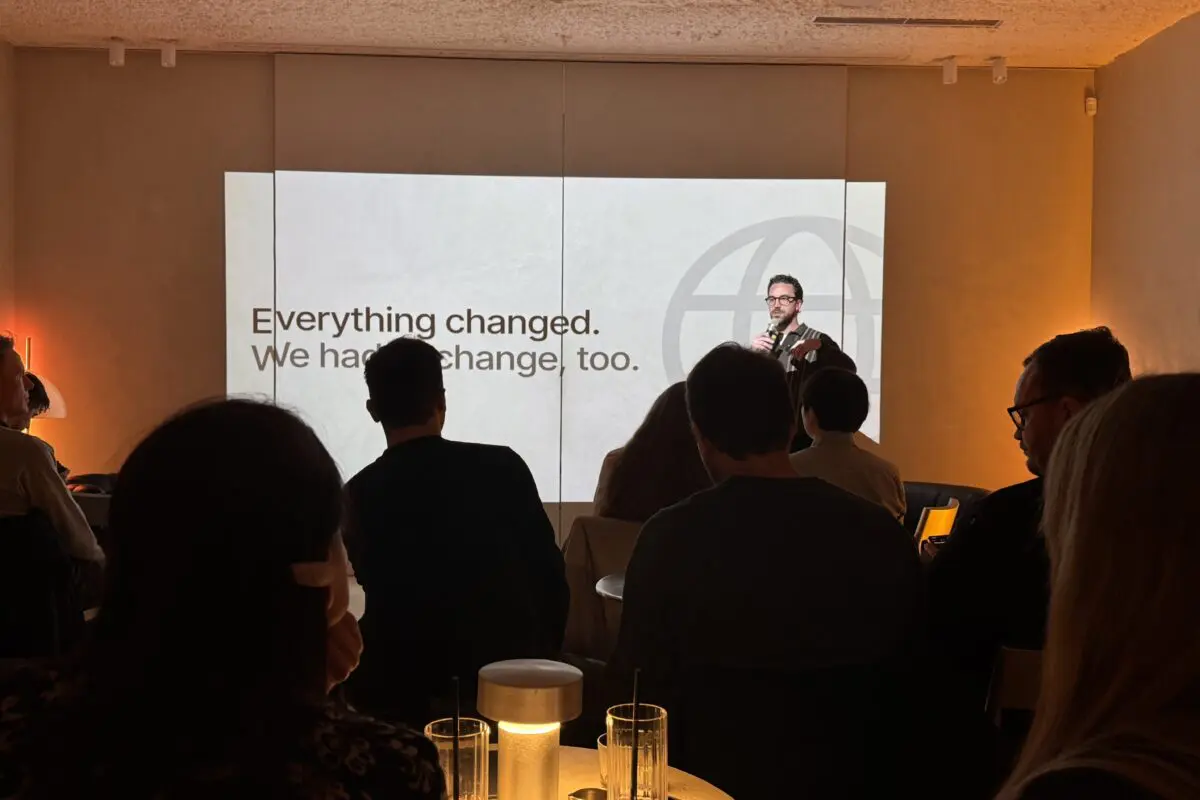
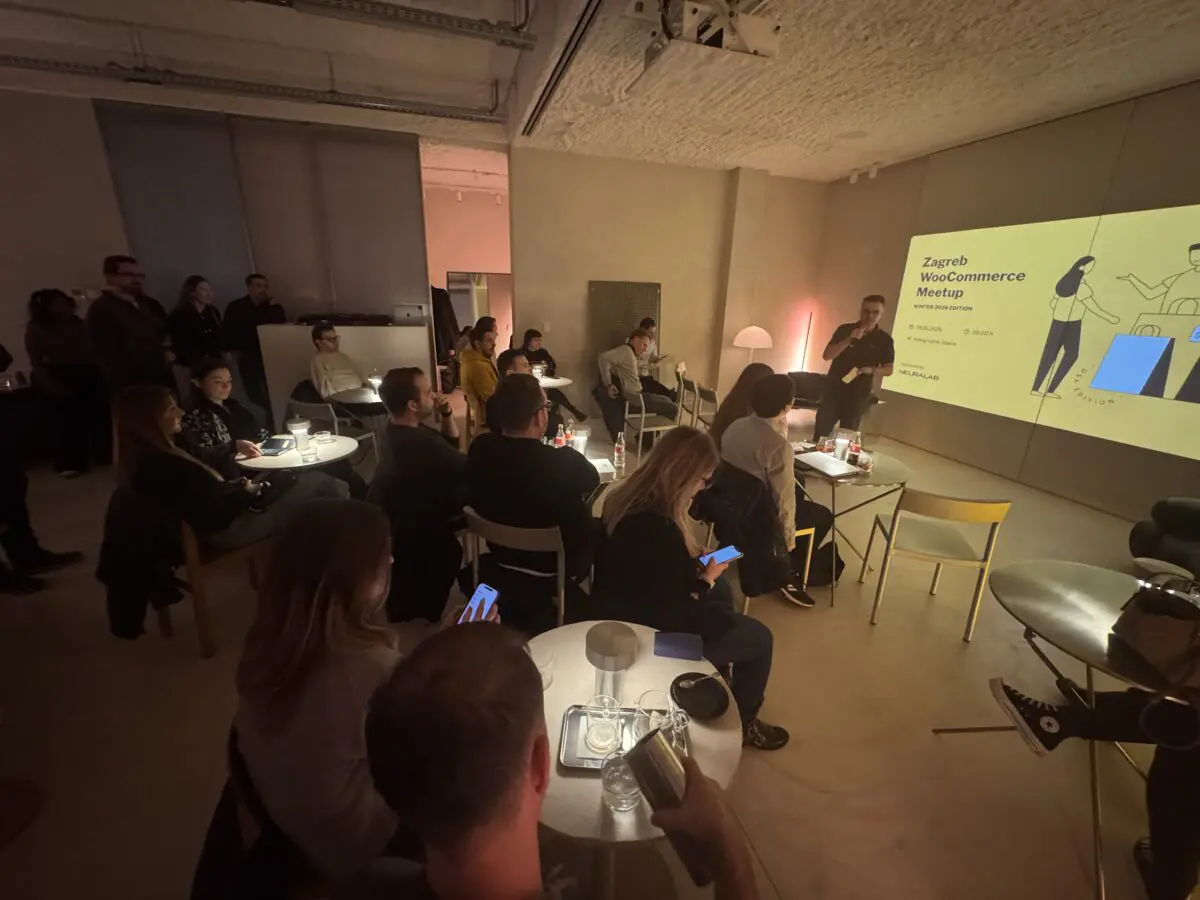
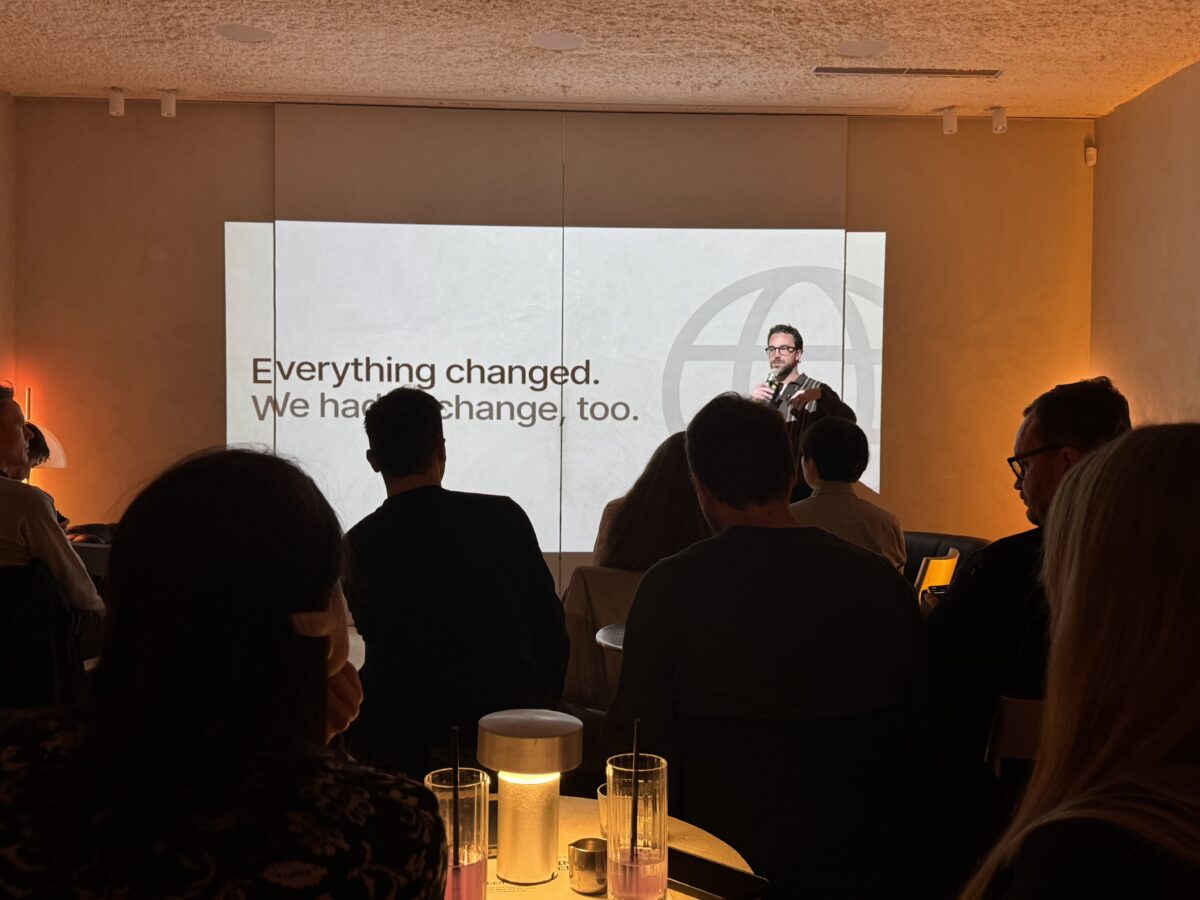
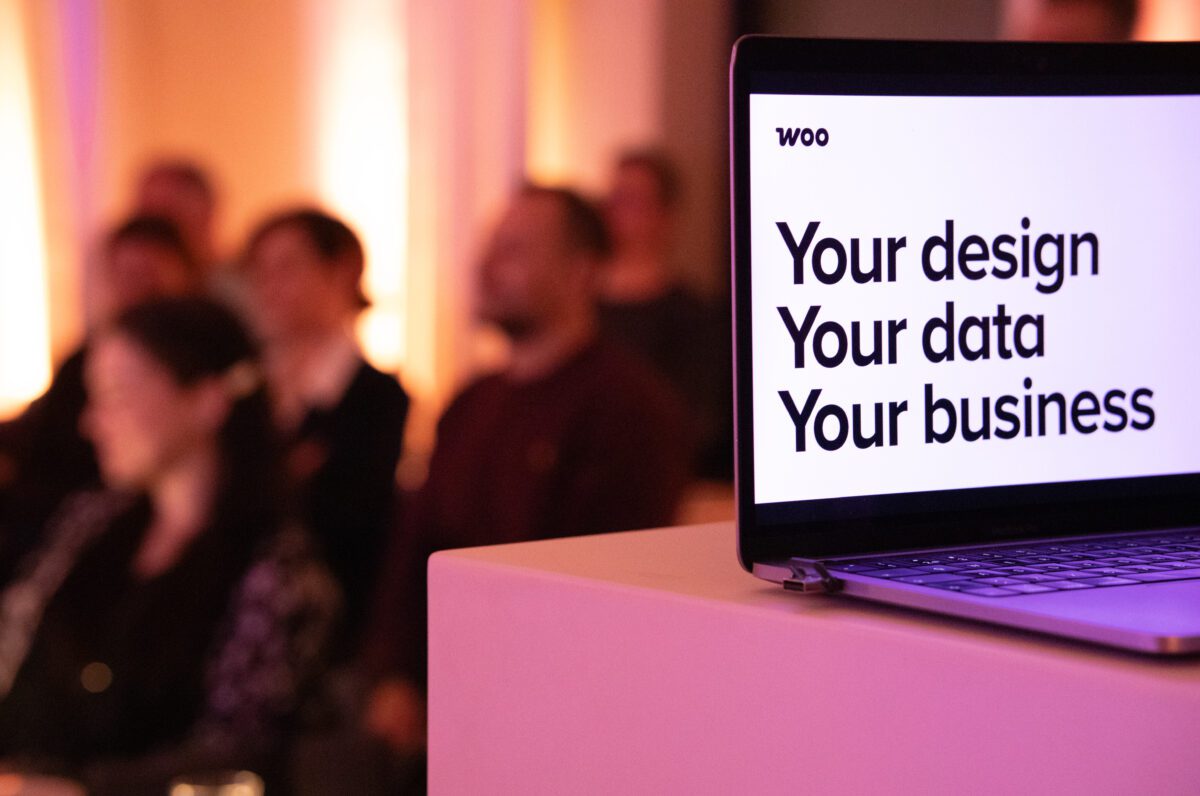
Neuralab hosted the winter 2026 edition of the Zagreb Woo Meetup at Holographik.Space, where around four dozen attendees came to hear directly from the Woo and Automattic teams and compare notes on how WooCommerce is evolving. This time it went beyond a simple local dev meetup!
For the first time we had a trio from the A8C team in the room: developer advocates Shani Banerjee and Brian Coords, and director of product marketing Brent MacKinnon, turning the evening into a focused mini-briefing packed with technical updates and market insights for the regional Woo community.
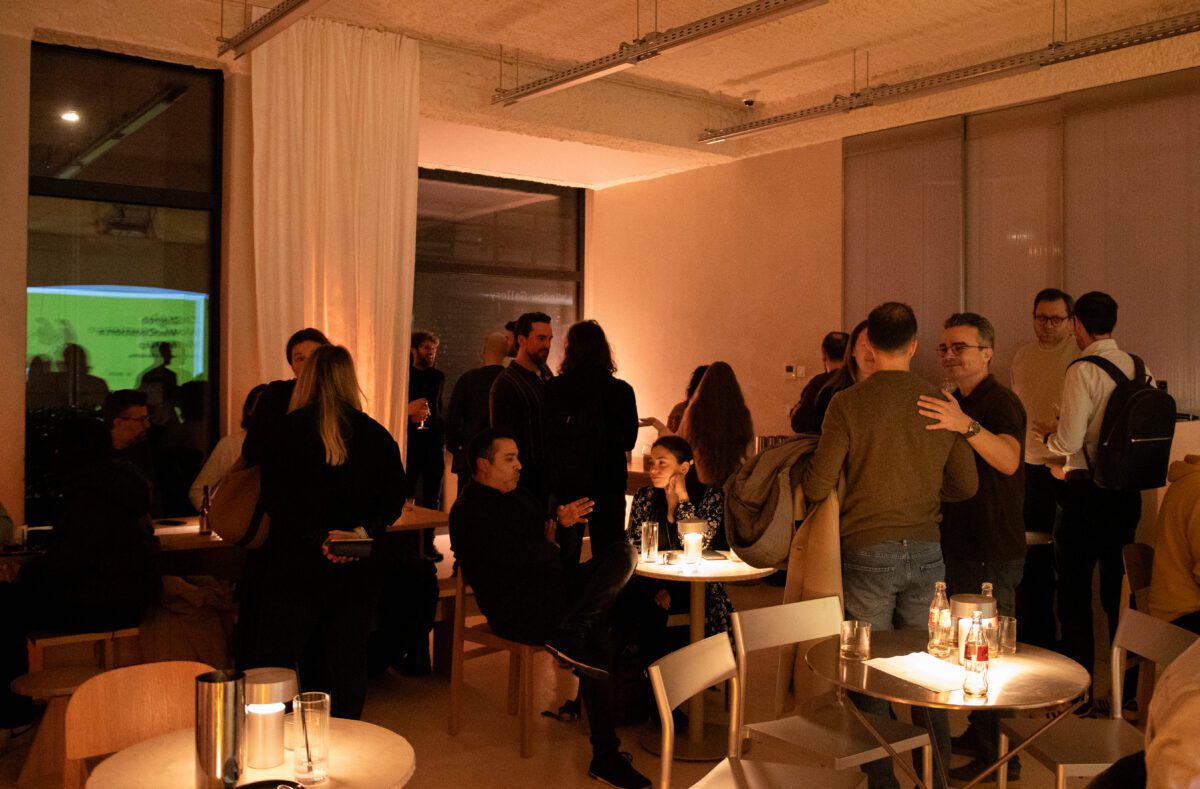
Holographik.Space turned out to be an ideal venue: central, comfortable, and well set up for both talks and networking. People arrived early, and the mood from the start was curious and relaxed. You could feel that many attendees came not only for the content, but also to get real face time with the Woo team.
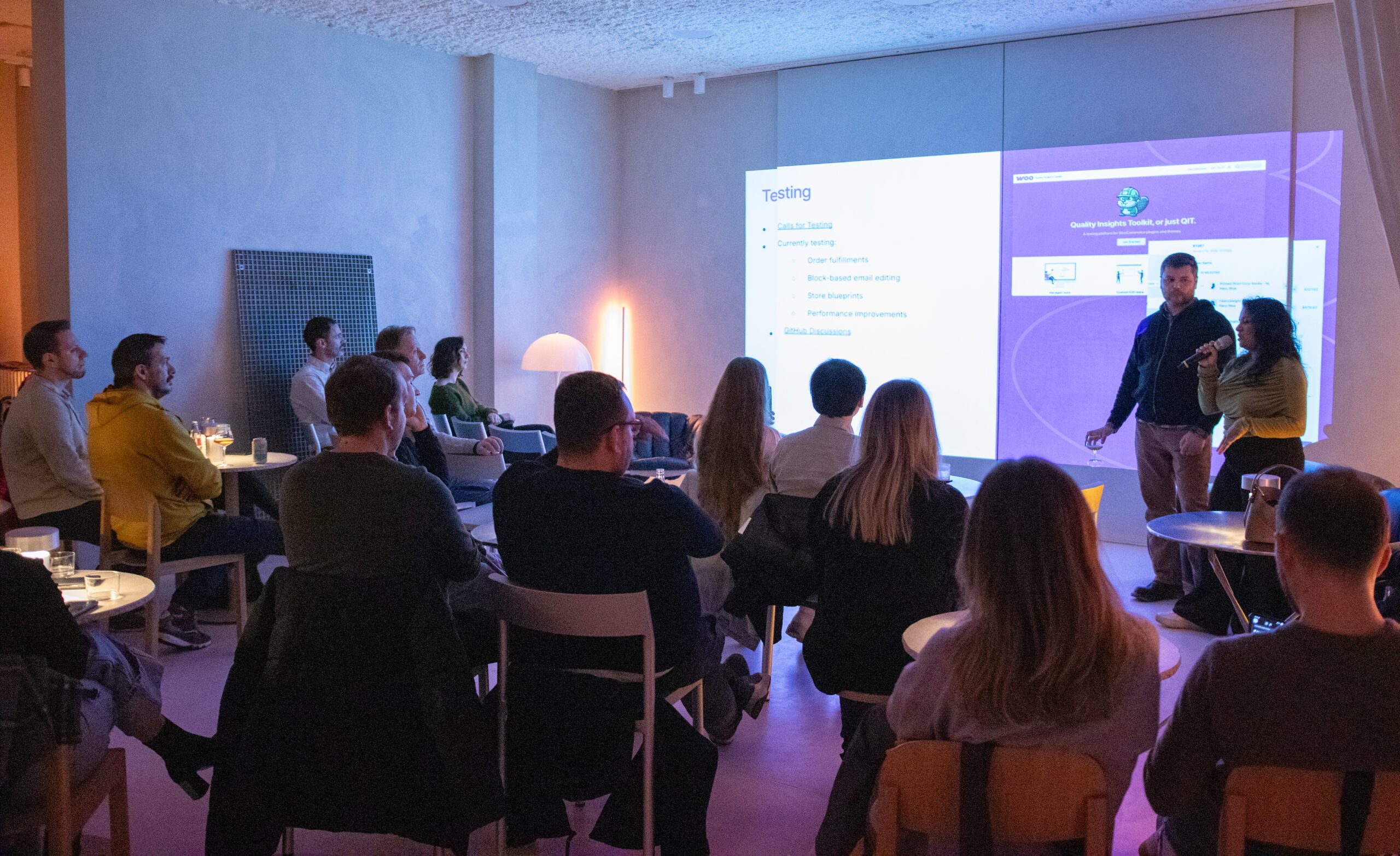
Talk 1: performance, accessibility, and a block-first Woo
Shani and Brian framed their session around one idea: every product decision now passes through a performance and accessibility lens.
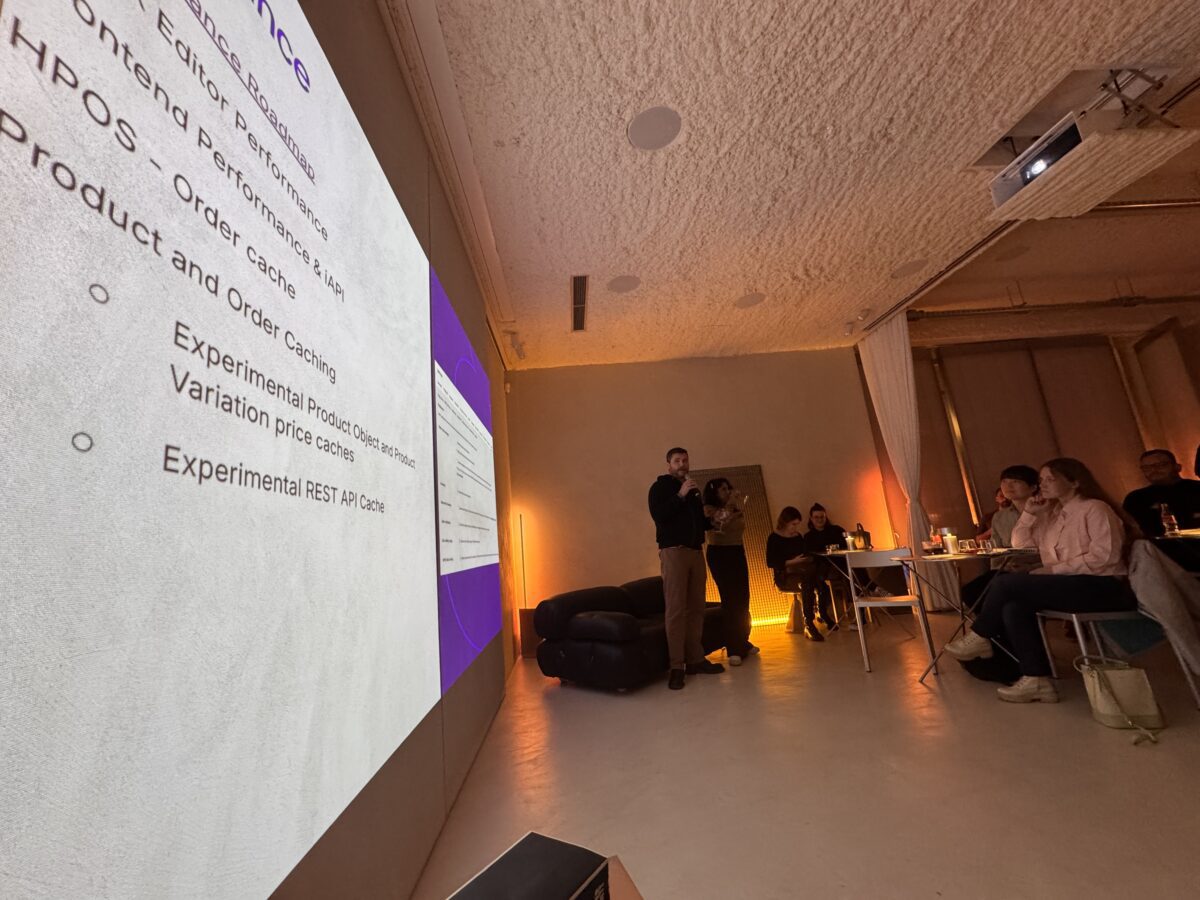
On the performance side, they touched on HPOS and related backend improvements, frontend performance work, and the ongoing effort to make the editor experience faster and more predictable. It was clear that “high performance” has become a requirement for every new piece of the platform.
Accessibility was the second pillar. They walked through the practical implications of upcoming regulations, the collaboration with Equalize Digital, and the work going into audits and conformance reports. For developers and designers in the room, this was a reminder that accessibility is sliding from best practice into hard requirement, especially in the EU.
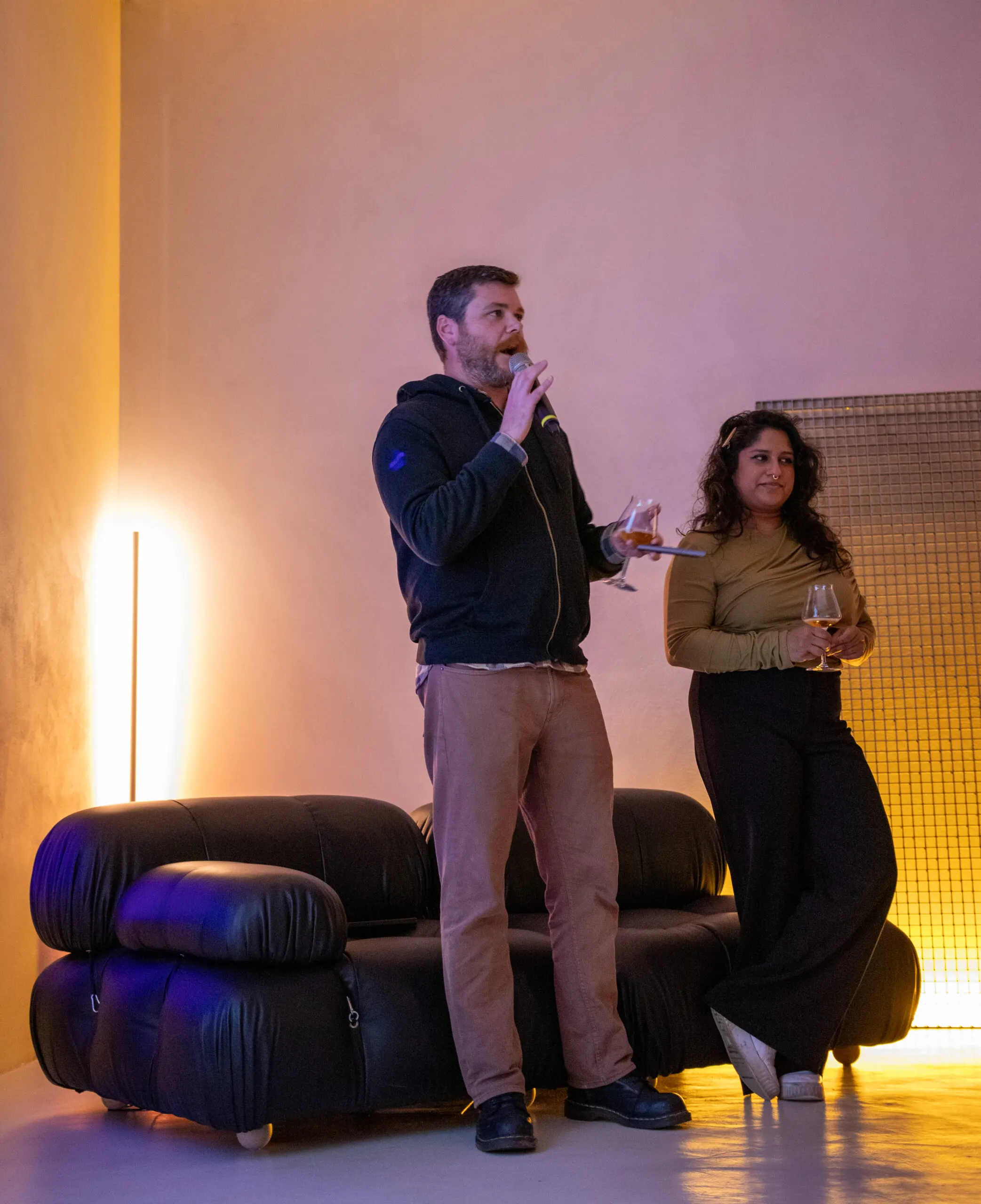
From there, the talk moved into the block-first future of Woo:
- product collections and catalog pages built with modern block patterns
- block-based cart and checkout flows
- using the Interactivity API to power things like minicarts and product filters without jumping into a separate SPA
Finally, Shani and Brian gave a look into AI and protocol work: the Agentic Commerce Protocol (ACP) and Universal Commerce Protocol (UCP), and how Automattic is collaborating with OpenAI and Google. This connected the Woo ecosystem to a broader movement around agentic and protocol-driven commerce.
One of the open questions in the room was: “Will the future checkout happen mostly on the agent/chatbot side, or on the merchant’s own site?” Brian referenced Shopify’s recent announcement with OpenAI (and the associated ‘tax’ on transactions happening inside the chatbot interface) as an example of how closed platforms might approach this. For Woo, the focus is on merchant choice and openness: the same AI protocols are being tested, but the goal is to keep stores discoverable and let merchants decide which flows to enable. He pointed out that AI has moved from ‘toy for content’ to ‘serious tool’ for things like data analysis and CLI workflows, and that a year from now it will likely feel normal to manage parts of a Woo store through an AI assistant instead of juggling spreadsheets and manual exports.
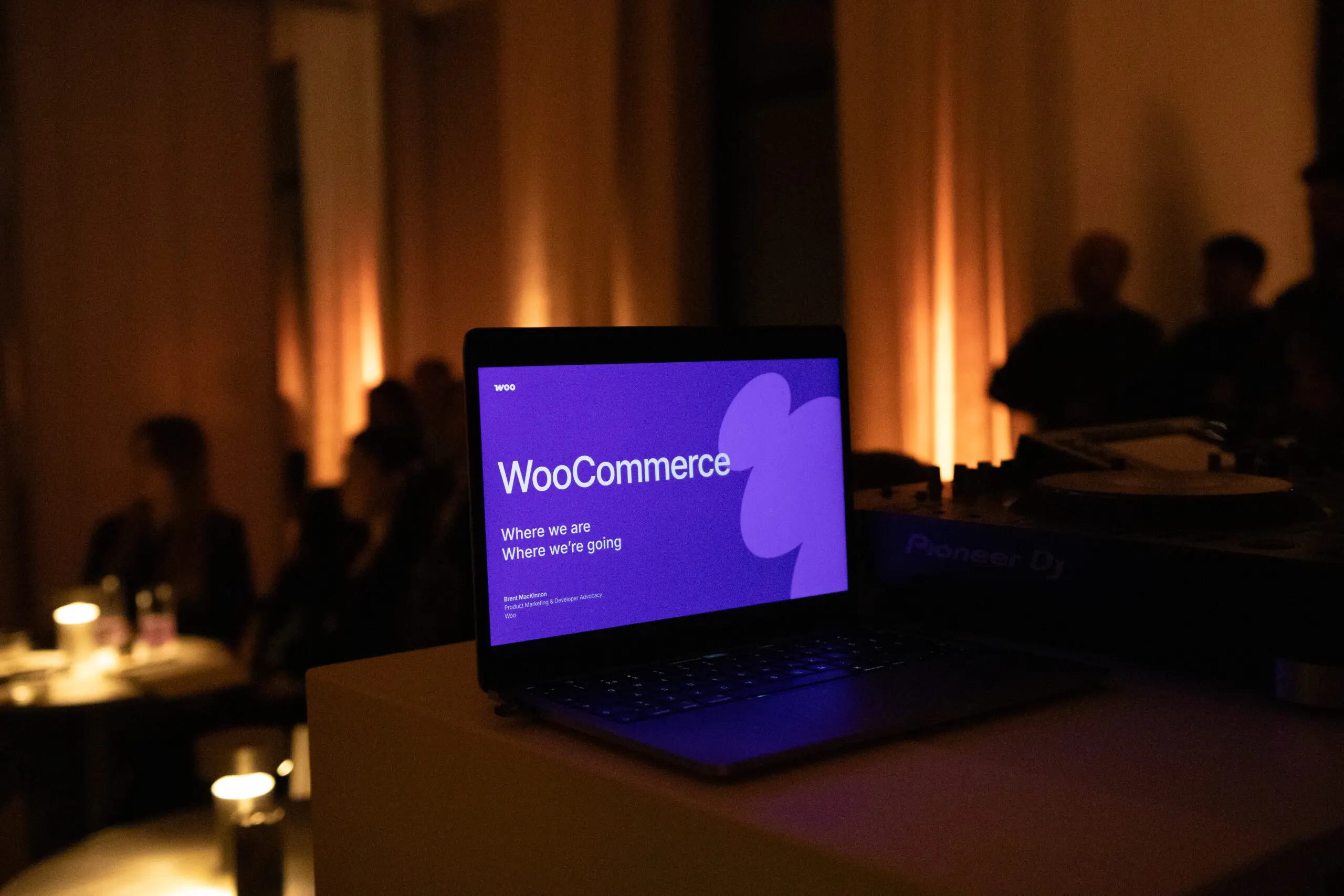
Talk 2: the state of WooCommerce, in data
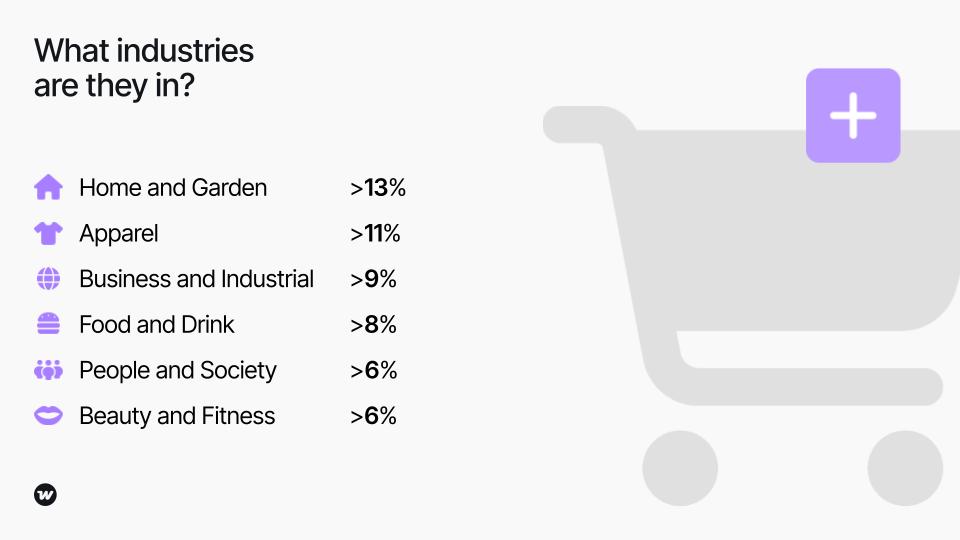
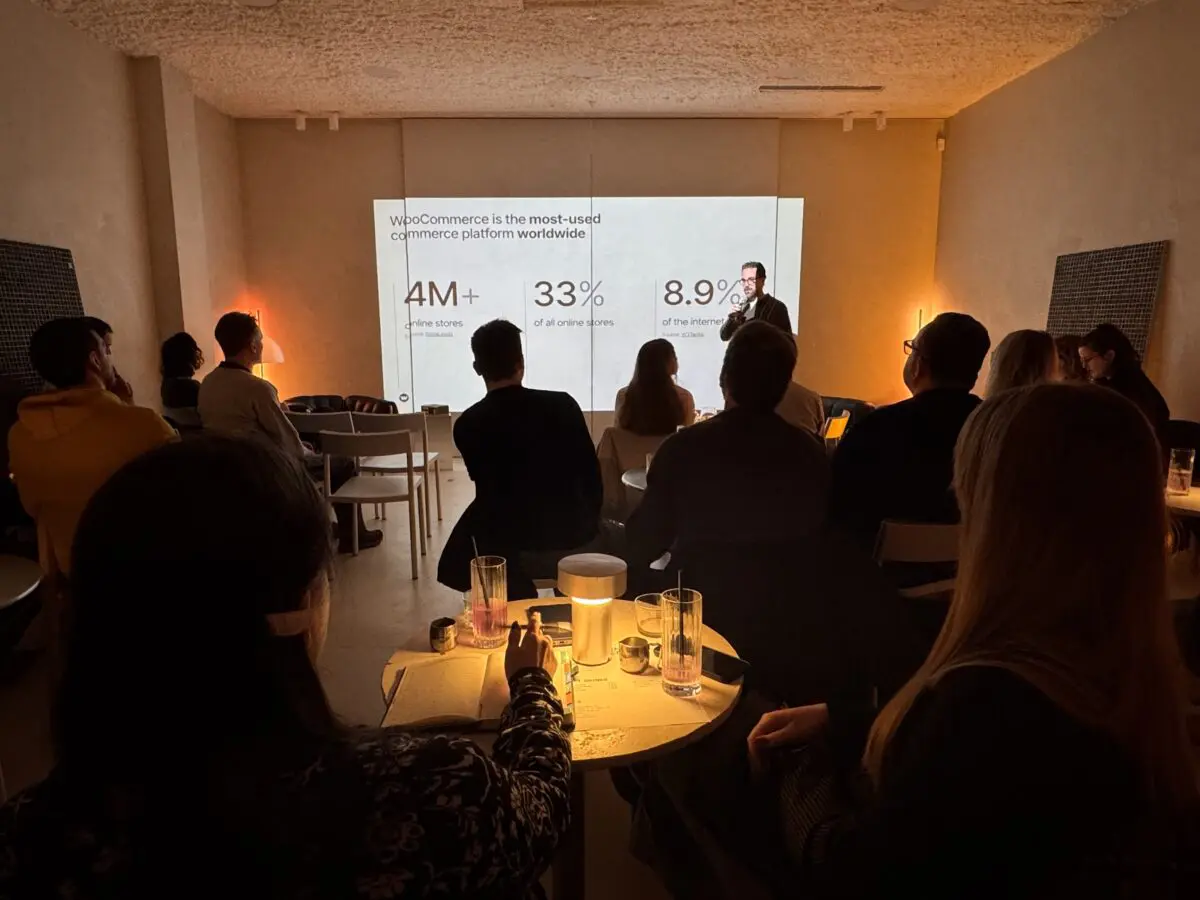
Brent’s session zoomed out. Instead of focusing on individual features, he walked us through where WooCommerce stands as a platform and who it is actually serving. His strong point was the diversity of industries using Woo. Brent showed how Woo merchants are spread across categories like home, tooling, apparel, food and drinks, beauty, fitness, and more. Compared to ecosystems where one category dominates (for example, apparel on Shopify), Woo looks more like a cross-section of the real economy. For regional agencies and freelancers, this validated what we at Neuralab already know: nearly any vertical you can think of has a Woo story somewhere.
Throughout the talk, Brent also gave context on:
- how Woo positions itself in the broader eCommerce competition
- where investment is going in terms of merchant segments and product areas
- how the team is thinking about 2025 as a reset year for brand, go-to-market, and developer engagement
It was the kind of talk that usually lives in internal decks and analyst calls, not in a meetup space, which made it particularly valuable for local builders.
During Q&A, one attendee asked what “focusing on Europe” really means in practice, beyond following EU regulations. Brent’s answer had two parts. On the product side, Woo is intentionally avoiding architectures that would penalize non-US merchants (for example, by forcing them into a single payment provider or charging a premium for non-native gateways). The goal is to stay open to local payment, tax and shipping partners in markets like Croatia, Germany, Poland, India and beyond. On the community and marketing side, Woo is investing in sponsorships and presence at European and Asian events: WordCamps, the upcoming Checkout Summit in Italy, WordCamp Asia, and others, instead of treating North America as the default center of gravity.
Multi-language support also came up. The question was whether Woo plans to bake multilingual directly into core to help merchants go international. Brent’s answer was pragmatic: many of these concerns are, fundamentally, WordPress-level problems, not Woo-only problems. When Woo has built ahead of WP core in the past, they have sometimes had to undo and redo work. With the new internal structure, more engineering effort is now flowing directly into WordPress where appropriate. At the same time, AI is reshaping what translation and multilingual workflows look like, so the long-term solution will likely blend core work with smarter tooling.
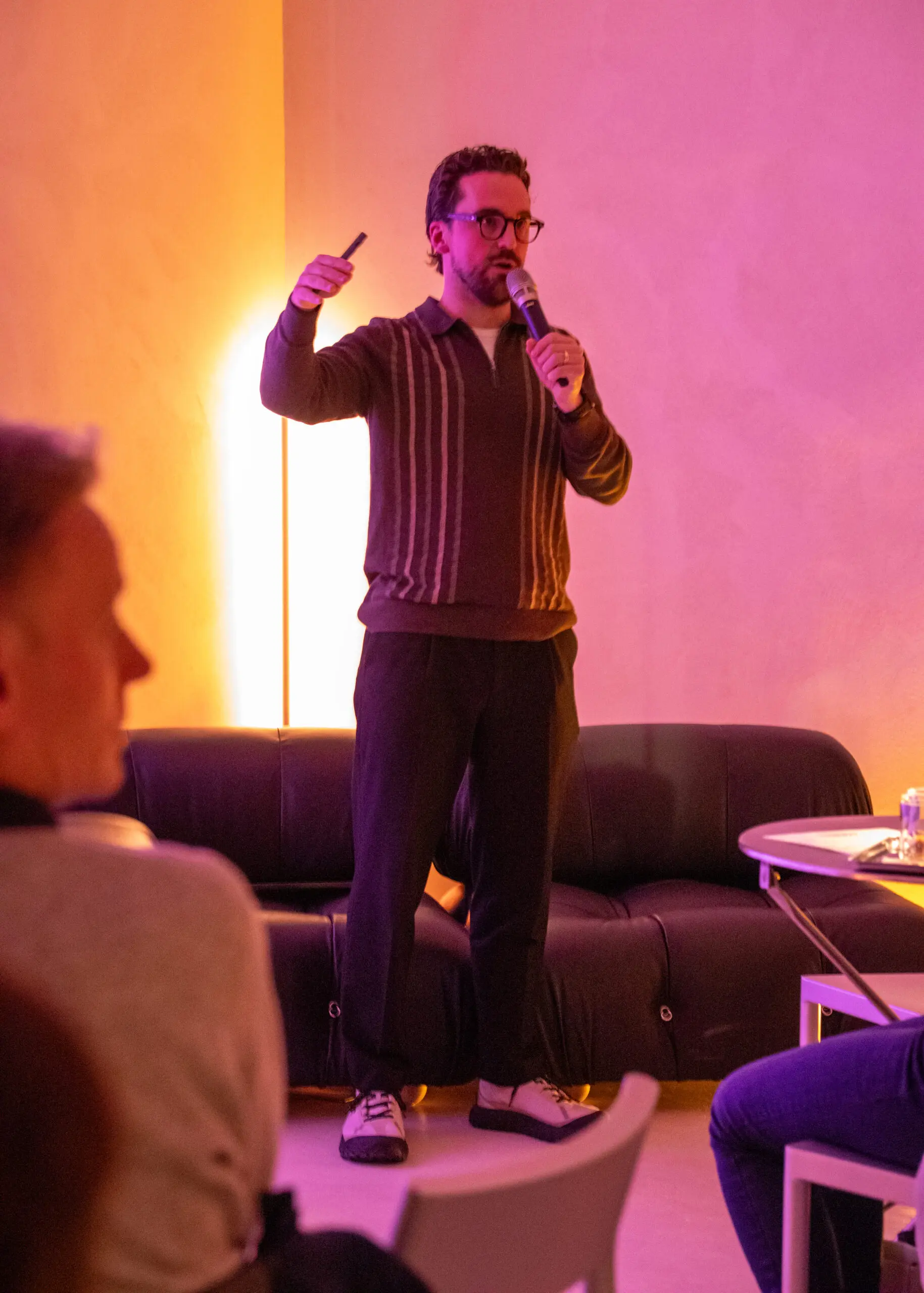
After the talks, nobody rushed out. Clusters formed around Shani, Brian, Brent and other Automattic folks coming from California, Pennsylvania, Virginia, Lisbon, Nova Scotia… Conversations ranged from nitty-gritty implementation details (performance tuning, HPOS migrations, block patterns, Interactivity API patterns) to business questions (scoping AI-related work, positioning Woo for larger merchants, how to talk about performance and accessibility with clients).
Near the end, Jure from Slovenia took the mic to invite everyone to WordCamp Slovenia 2026, happening on May 16th, a two-day event with talks and a strong social component. Ljubljana, as he reminded everyone, is close enough for an easy weekend trip.
The atmosphere throughout the evening was exactly what you want from a meetup: intelligent, welcoming, genuinely curious, and a bit nerdy in all the right ways.
Three threads worth highlighting
- Zagreb is steadily becoming a serious Woo hub, not just a city with an occasional meetup. Having Automattic send product and advocacy people here, and seeing 40 engaged attendees from agencies, freelancers, and merchants, is a sign that this region matters to the ecosystem.
- The baseline for modern Woo projects has shifted. Performance, accessibility, and block-first architectures are now part of the starting line, not “nice extras.” AI and protocol work like ACP and UCP add another layer that will gradually influence how we think about checkout and interactions, even if that future is still taking shape.
- The merchant profile is evolving. With a majority of order volume coming from stores above 250,000 USD per year, and more than half from 1 million+ merchants, Woo is firmly in the game for complex and high-scale builds. That matches what many local agencies are seeing and should give confidence when pitching Woo for larger projects.
Thanks again to everyone who came, to Holographik Space for hosting us so professionally, and to Shani Banerjee, Brian Coords, and Brent MacKinnon for making the trip and sharing both their work and their time.

A Boletus aficionado who loves to get lost in the woods. He's still holding dearly to his OG Canon 5DmII while claiming that the play button is the apex call-to-action button on the web.