

WordPress Campus Connect in Pula: small room with serious questions
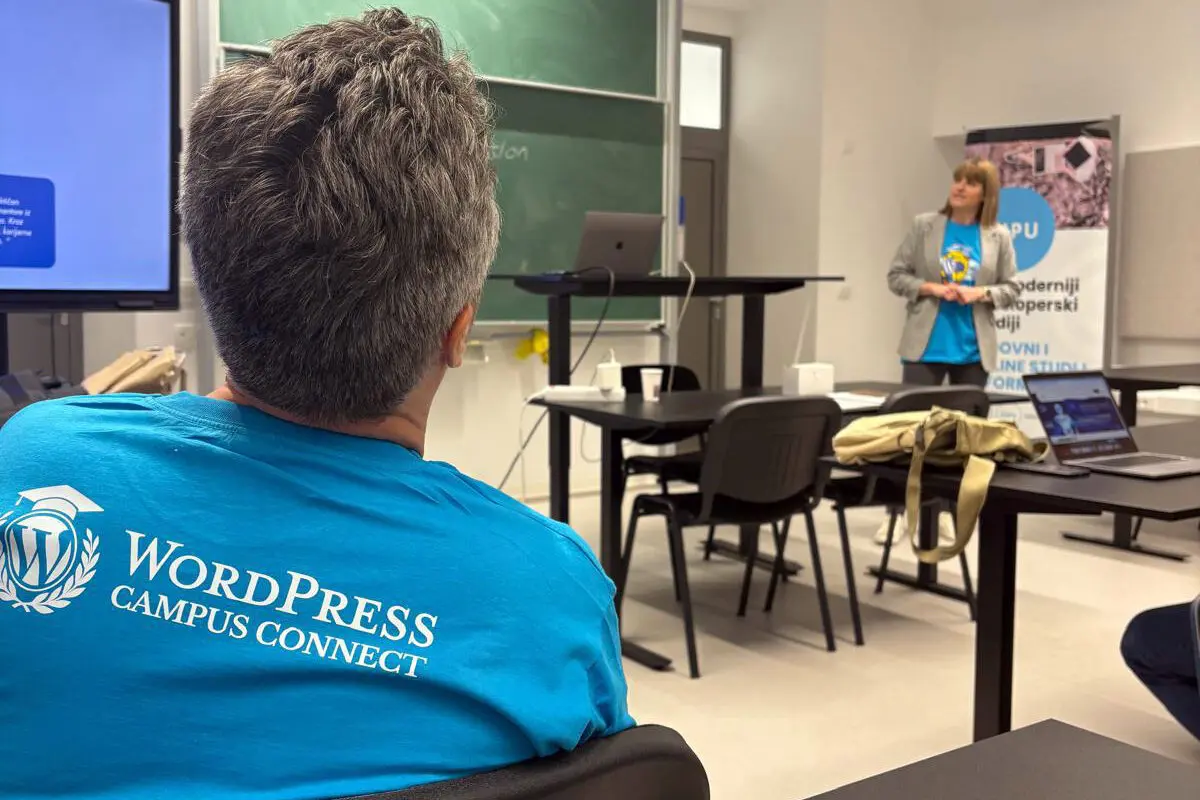
University events can go one of two ways. They either stay politely academic, full of career advice nobody remembers on the bus ride home, or they cut straight to the mechanics of the work: what breaks, what scales, what gets overlooked, and why some projects look healthy in staging but weak in the real world. WordPress Campus Connect went with the second option.
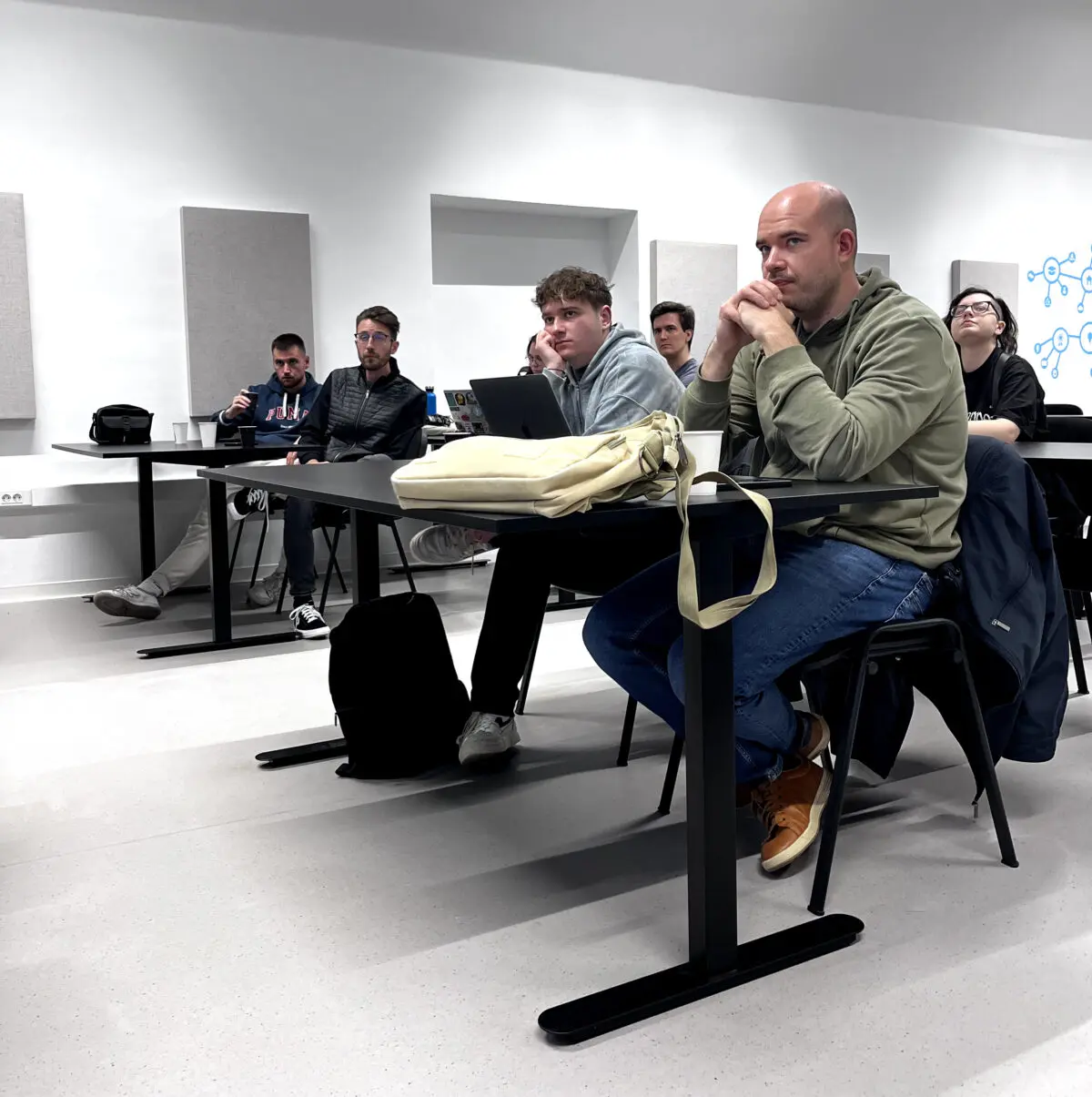
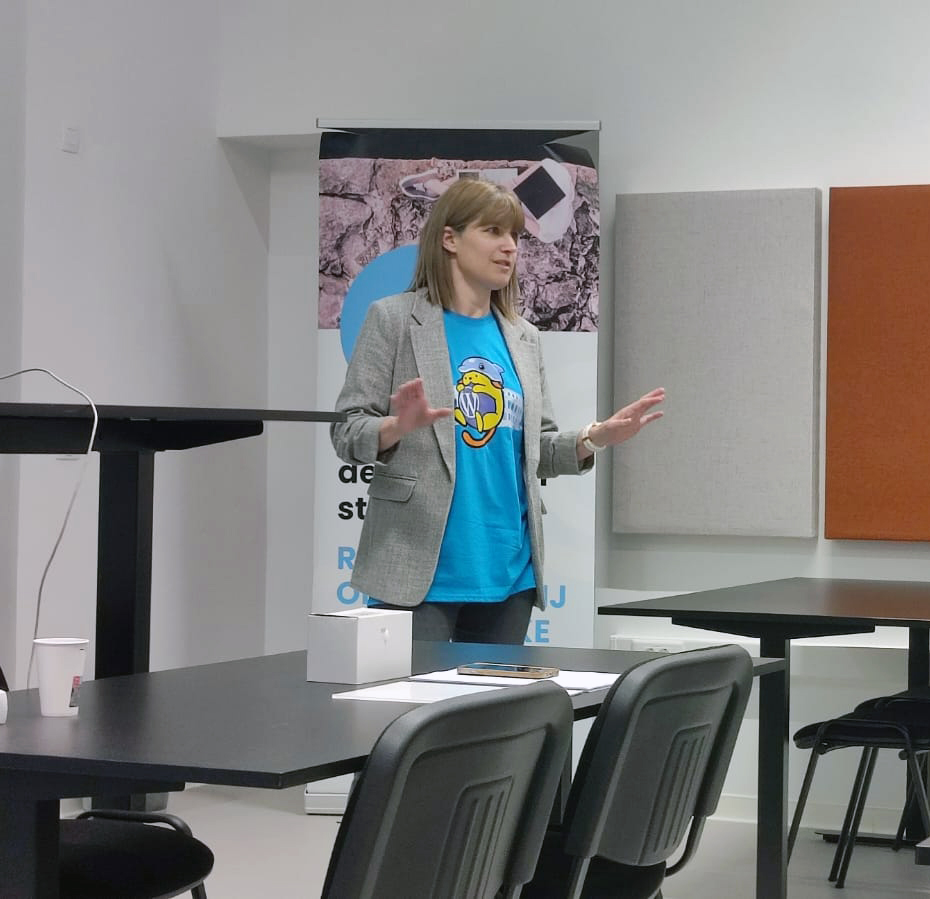
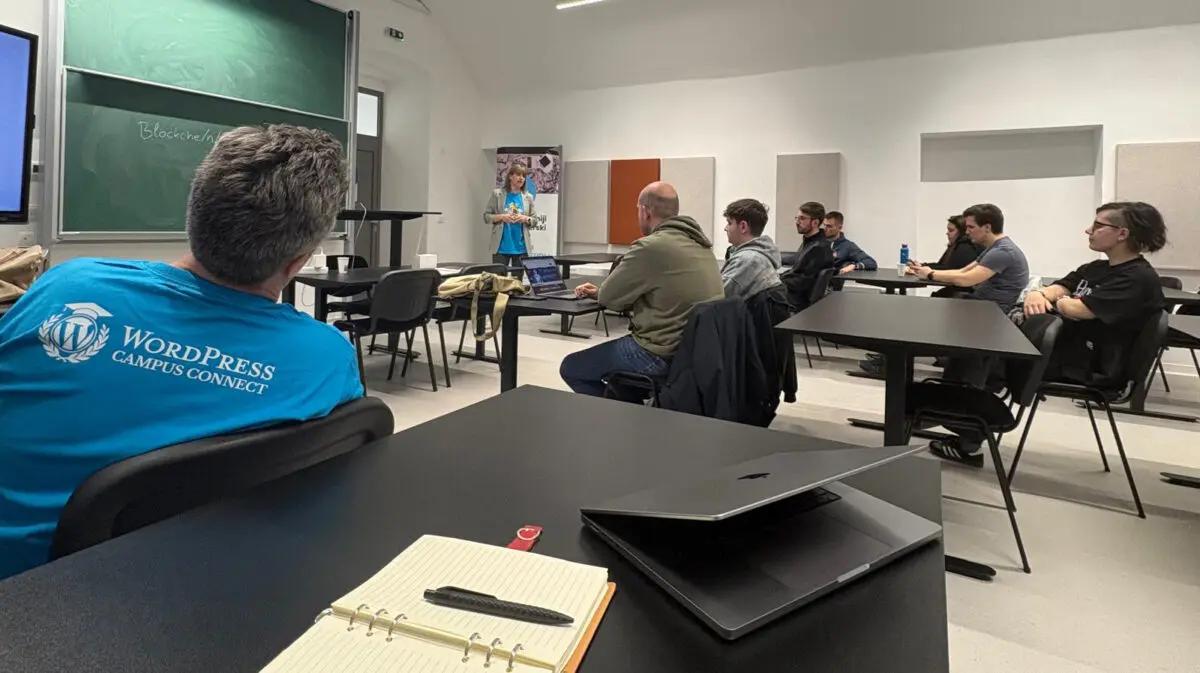
It brought together a small group of students, practitioners, and just enough local community energy to make the whole thing feel useful instead of ceremonial. The students at the Faculty of Informatics in Pula were highly engaged, asking the kind of questions that usually show up only after somebody has survived their first real project. That alone made the trip from Zagreb worth it. A big shout out goes to Melita Poropat, who took the time to organize the event and made sure nothing was missed. That attention to detail becomes even clearer when there is a pile of ‘breskvice’ cookies waiting on the refreshment table.
I opened the event with a session that approached web delivery from the content side, but not in the usual copy-first sense. The argument was simple: many digital projects underperform not because the build is broken, but because content was never treated as infrastructure. Once content strategy is reduced to late-stage wording, the usual problems follow: weak SEO, unclear ownership, constant rewrites, and low conversion rates. The fix starts earlier, at the level of structure, governance, and system design. The session focused on a familiar agency-side problem: projects that are technically successful and commercially disappointing.
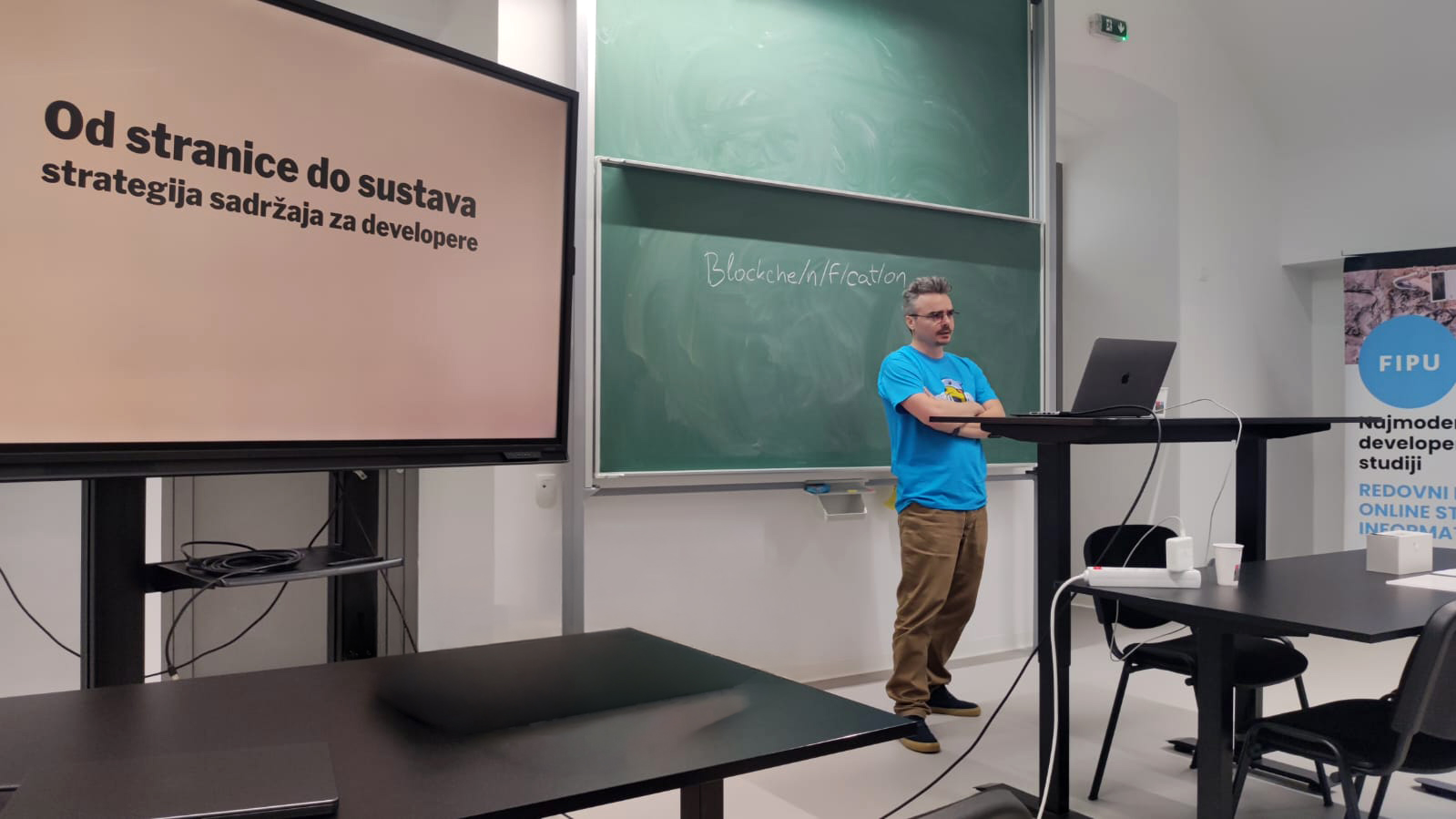
The other two sessions expanded that same theme from different directions.
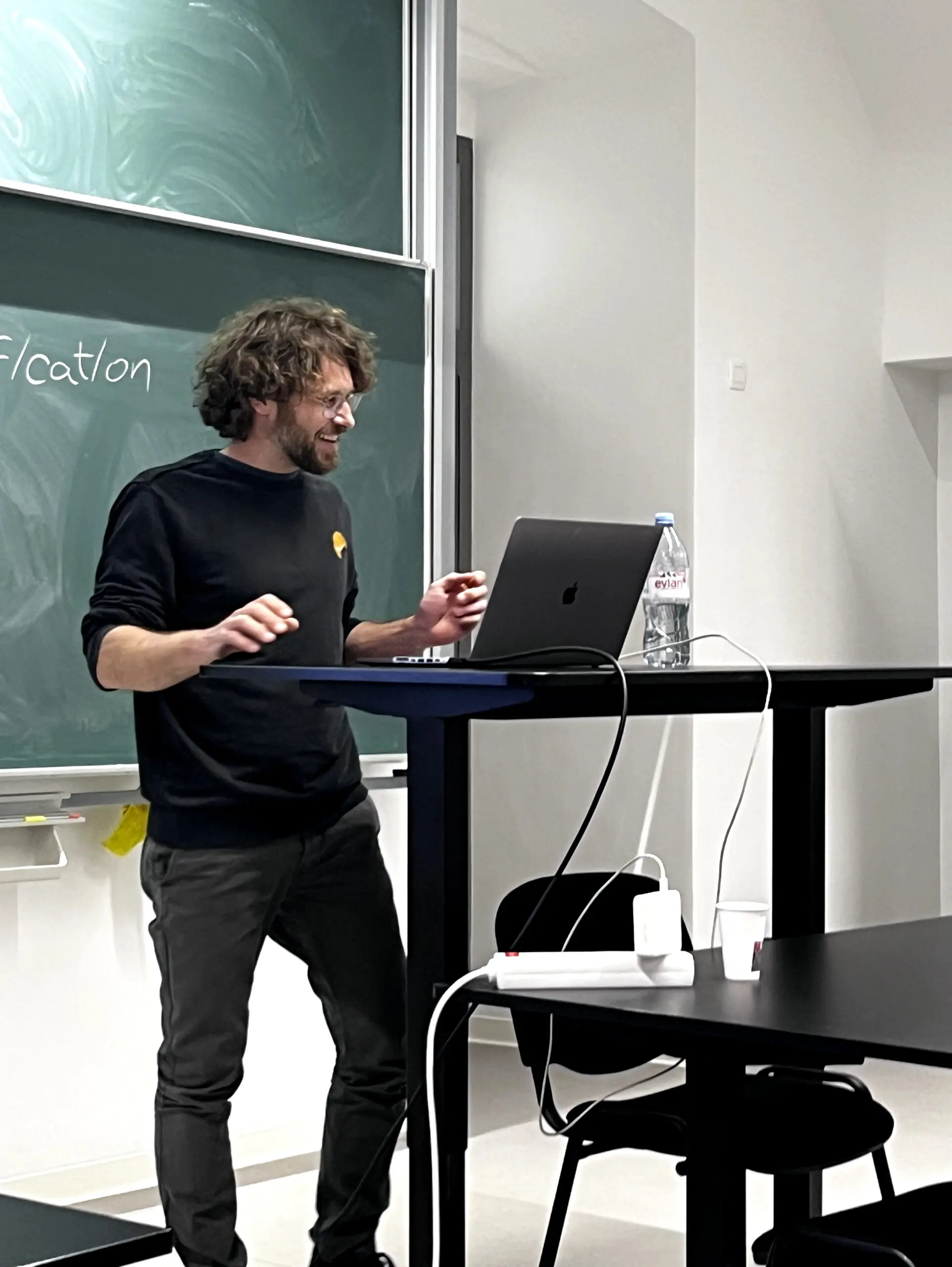
Our Head of Design, Emanuele Lizzi, spoke about accessibility in the only way that really matters: as a baseline condition of competent product work, not a feature layer added once the “real build” is done. His strongest point was also the simplest: disability is often not a trait of the person using the system, but a consequence of a badly designed environment. Build the system better from the start and a good part of the mismatch disappears with it.
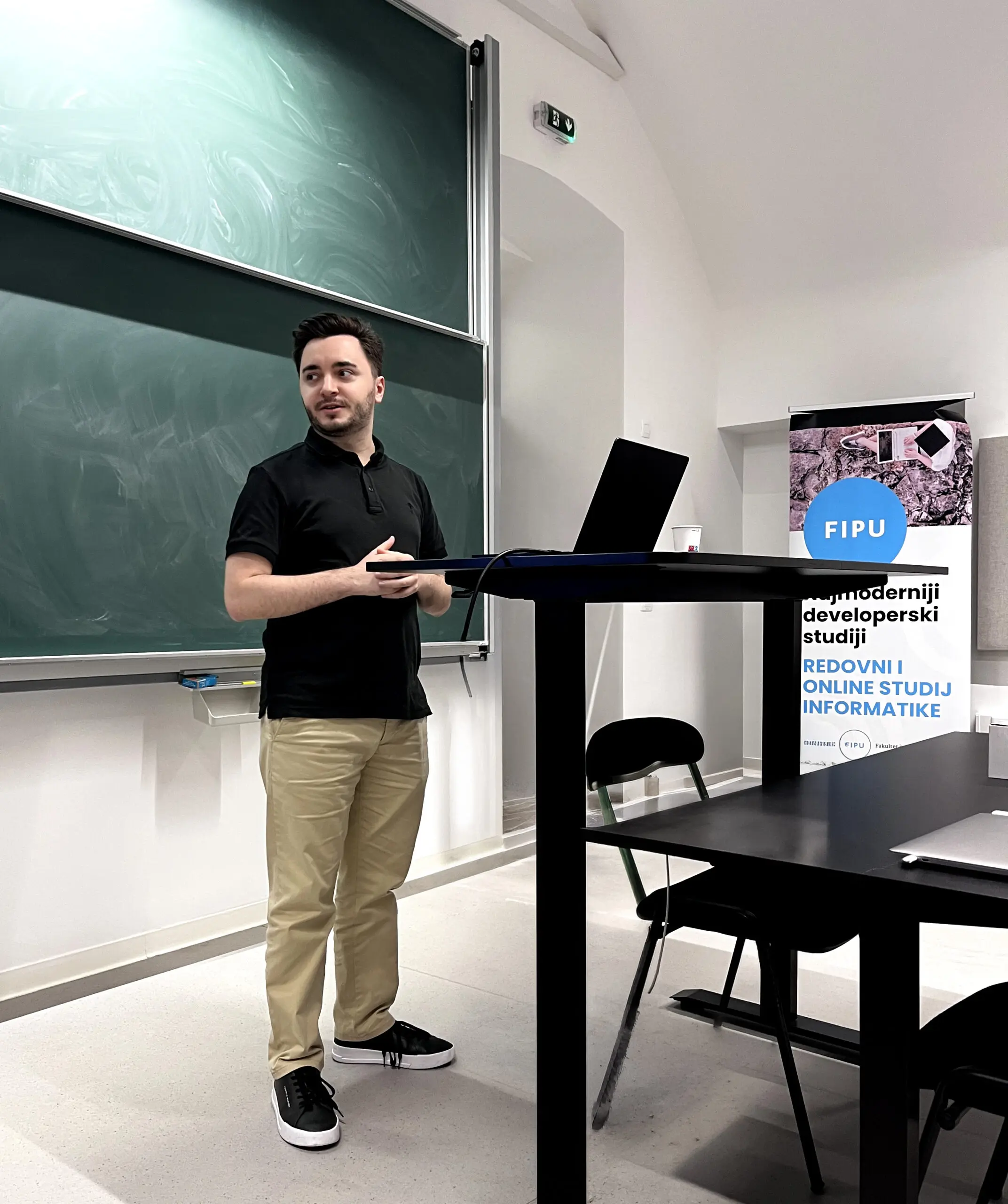
Vedran Petrač from Infinum took the conversation into agency reality with a session about the first WordPress project most juniors eventually run into: the one where nothing goes fully according to plan. Requirements drift. Plugins pile up. AI helps in some places and adds noise in others. Designers, PMs, seniors, and juniors all touch the same delivery pipeline, and suddenly “WordPress developer” stops sounding like a single role and starts looking more like a constant negotiation between tools, people, and constraints.
One topic kept surfacing across the whole evening. Yeah, you guessed it – AI.
Students are watching it closely and are especially interested in the tools that can help them save time and effort. AI is already changing how teams research, structure, write, prototype, debug, and ship but the tone in the room was more grounded. Nobody seemed particularly interested in the usual magic-trick framing. The real question was where AI genuinely helps and where the job still depends on human judgment, system thinking, and experience.
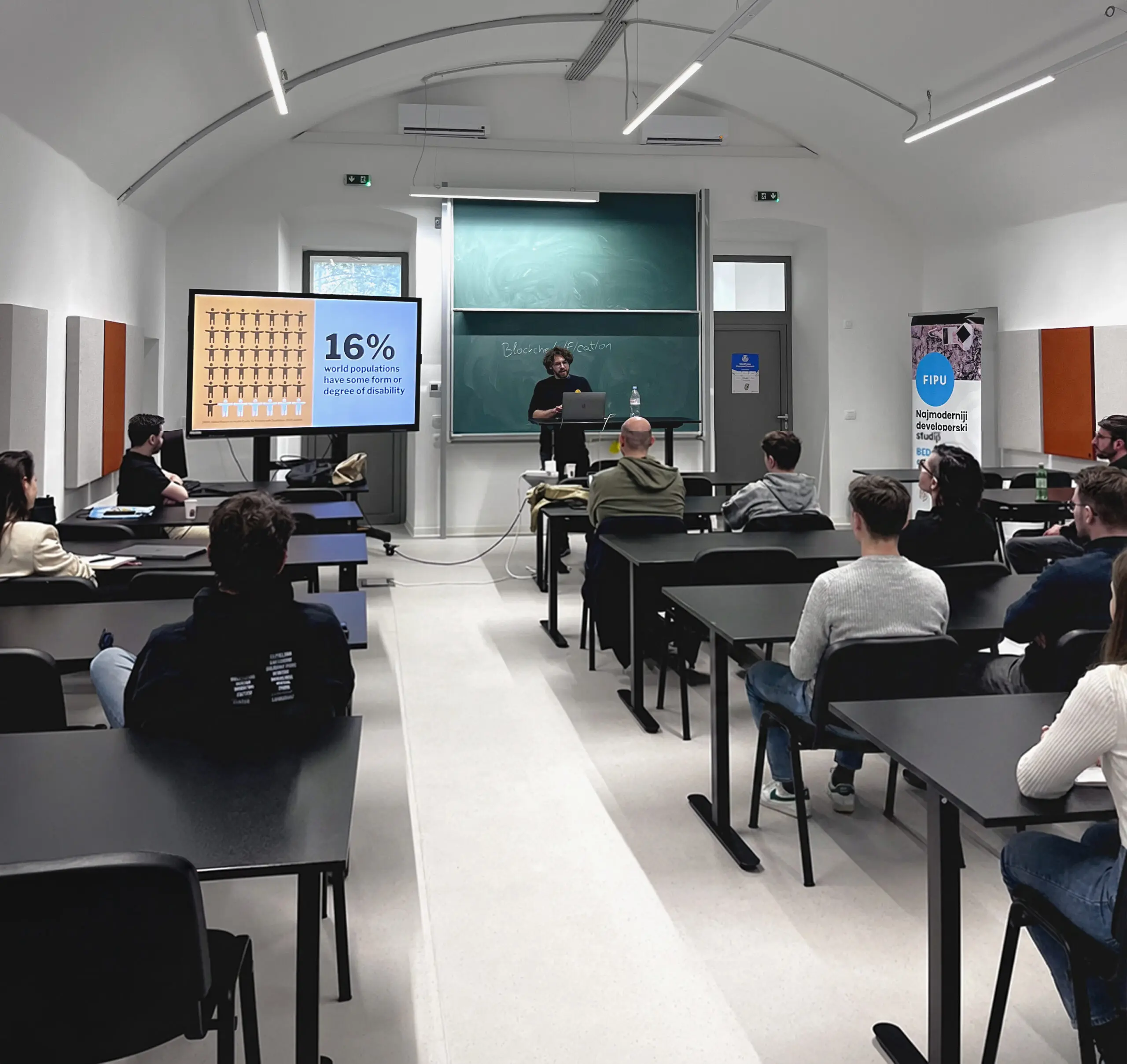
The most encouraging thing about the event in Pula was this: the group was small, but the questions were not. They were about responsibility, systems, business logic, accessibility, collaboration, and the real shape of work. I truly appreciate that more than a packed room full of passive note-taking.

A Boletus aficionado who loves to get lost in the woods. He's still holding dearly to his OG Canon 5DmII while claiming that the play button is the apex call-to-action button on the web.