

Code is Not Just Code: What Decides Outcomes in Enterprise WordPress, WooCommerce and AI
If you’ve spent some time in the software industry over the last decade, you’ve likely felt the ground shifting beneath your feet. We’ve moved from the romanticized era of the all-powerful “webmaster” to highly specialized, multi-layered teams. Today, we stand at another crossroad: the collision of massive enterprise expectations, complex omni-channel marketing, and the chaotic rise of AI-driven development.
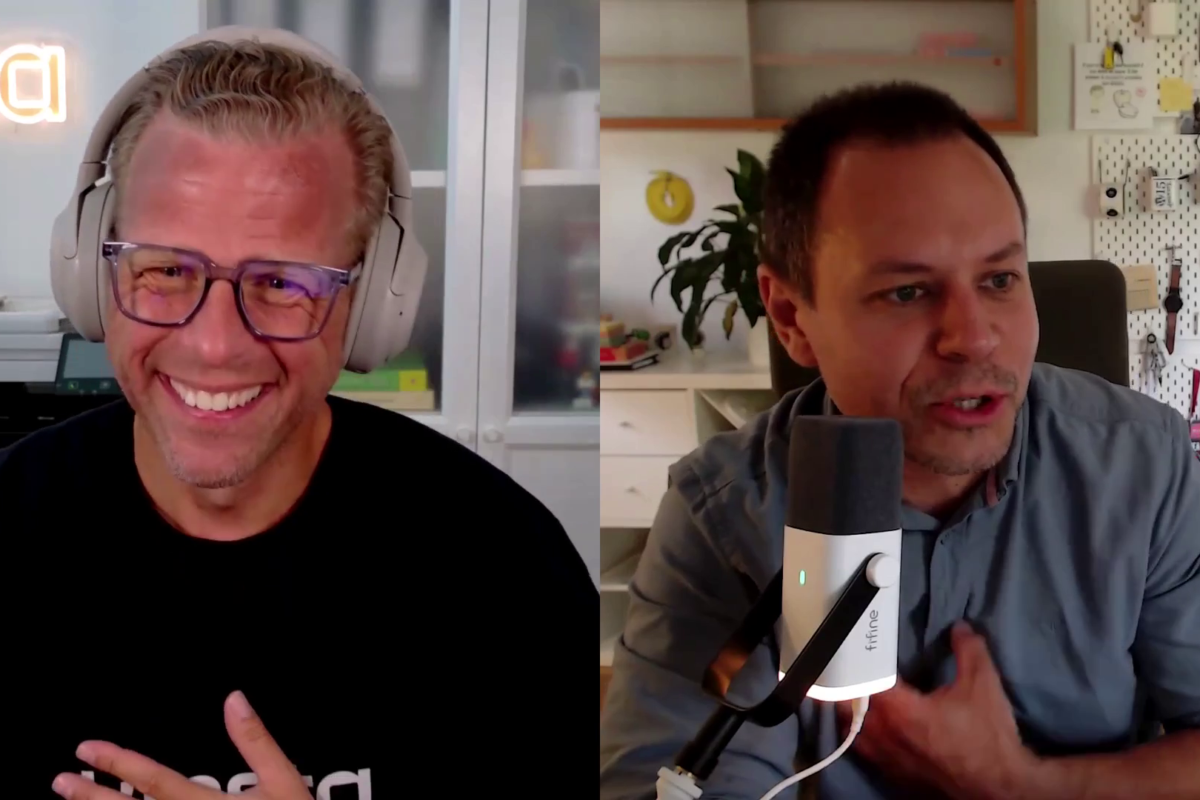
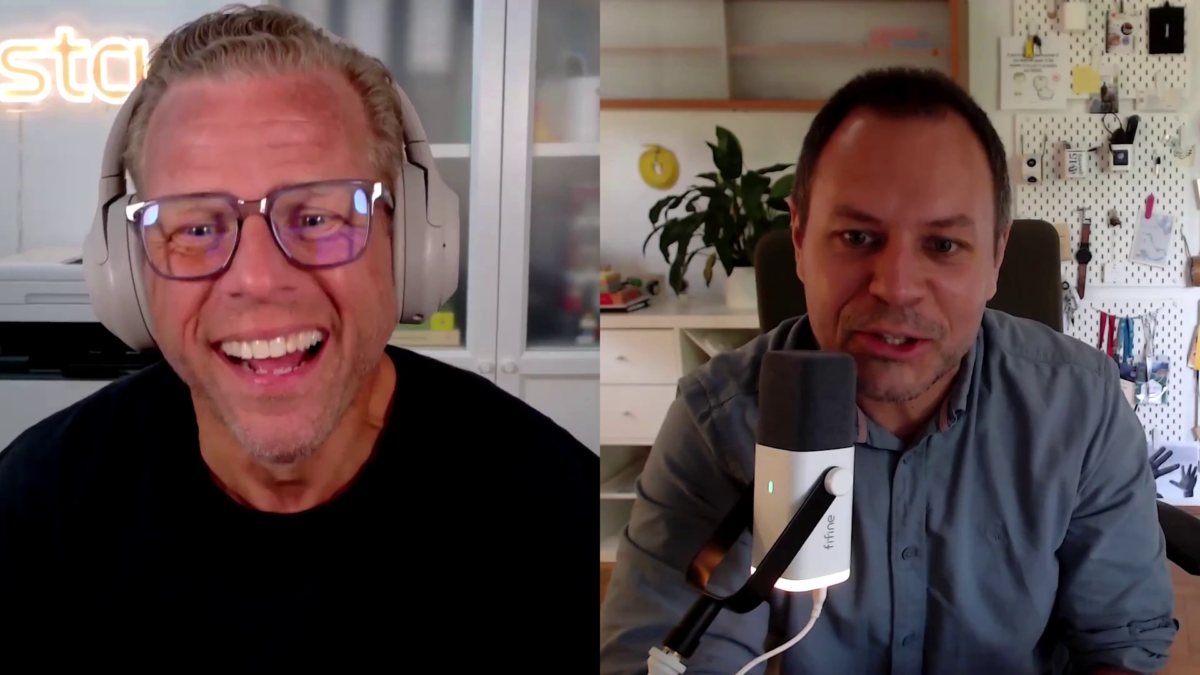
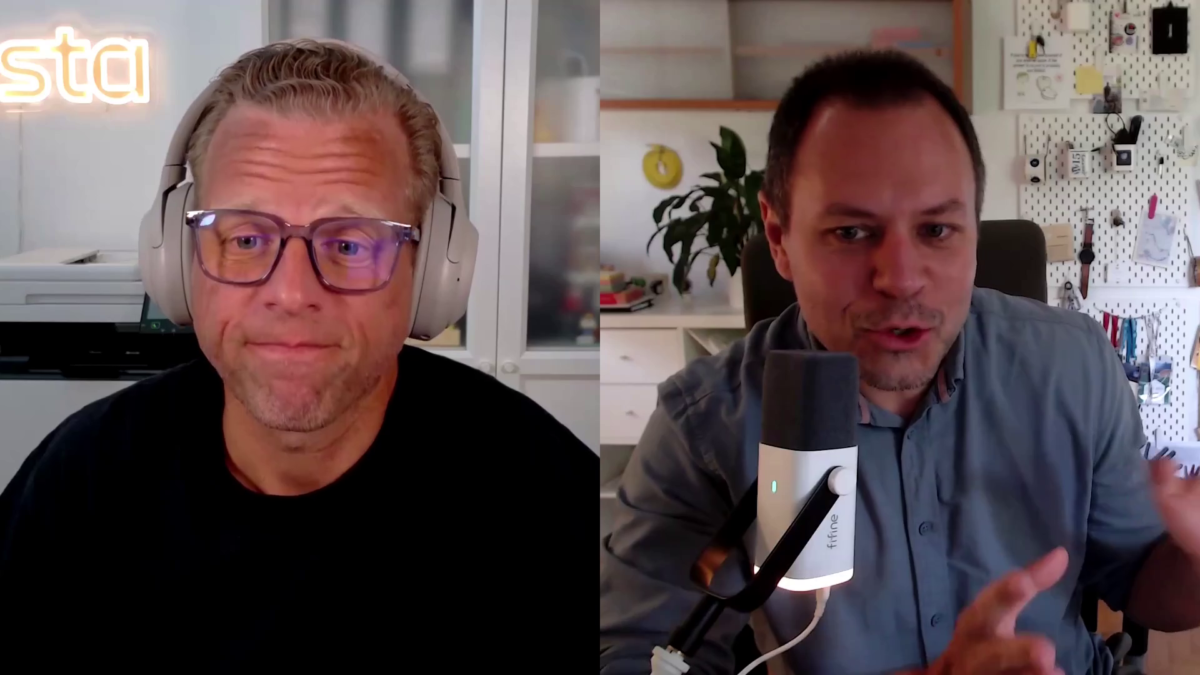
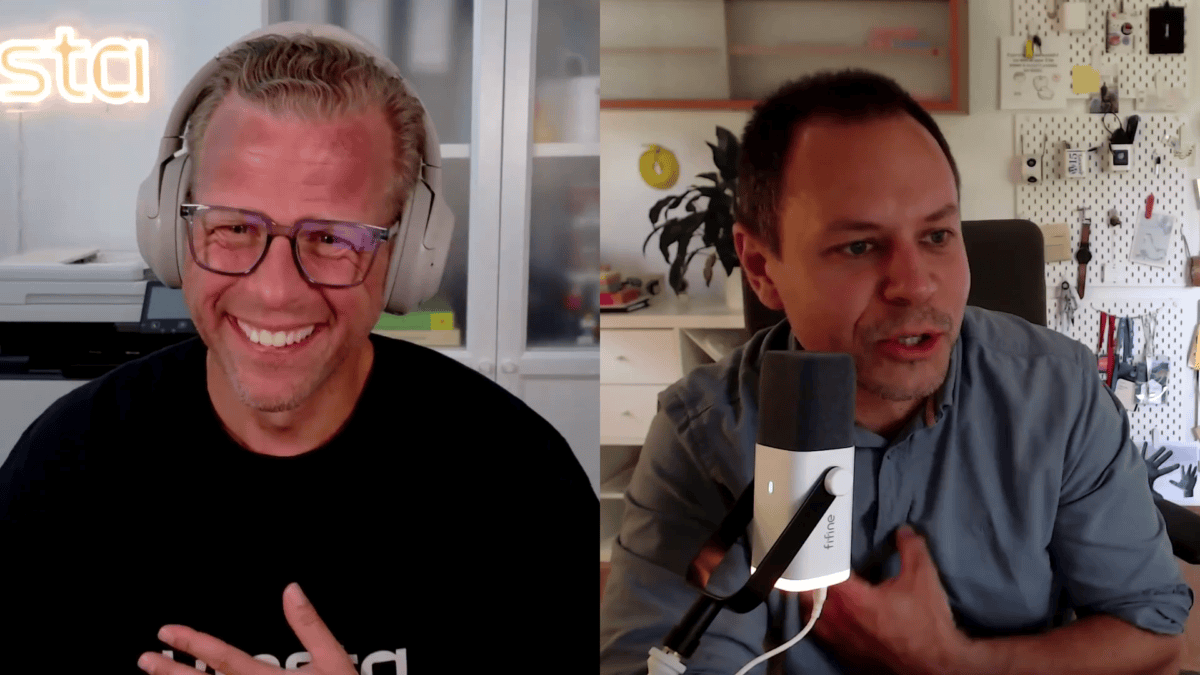
In a recent episode of Kinsta Talks, Marcel Bootsman sat down with our founder Krešimir Končić, to discuss what actually decides outcomes in the real world of Enterprise WordPress and WooCommerce.
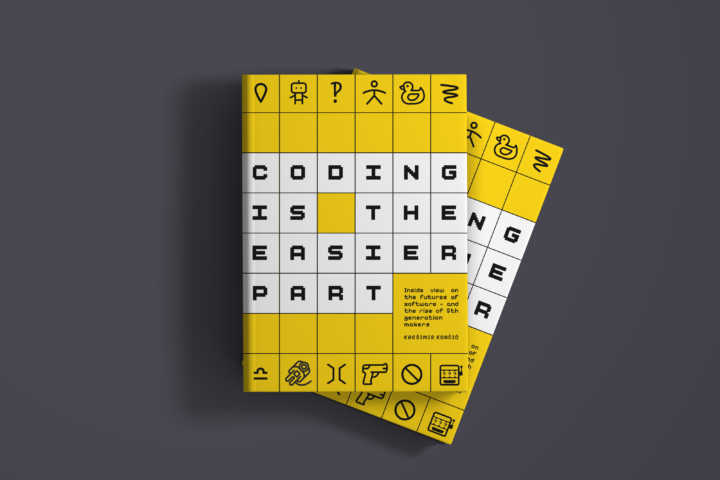
Krešimir didn’t pull any punches. From the hidden friction of enterprise sales to the reality of coding with LLMs, here are the core takeaways from their conversation – and why Krešimir is releasing a new book titled, ironically enough, Coding is the Easier Part. (Coming Nov3 on Amazon)
1. The Rise of “Nerfed Engineering” in the Enterprise
One of the most profound challenges in the enterprise space is selling it to people who will never actually use it. When pitching a high-performance open-source framework like WordPress coupled with world-class hosting (like Kinsta) against multi-million dollar proprietary platforms, you definitely don’t sell to developers, but their peers in procurement, marketing, or legal departments.
Krešimir calls the modern result “nerfed engineering.” “Engineering is basically being pushed out of the whole discussion about what products and solutions to use,” he explains. Instead of debating software architecture, maintainability, or 200ms vs. 2,000ms load times, modern enterprise discussions are overwhelmingly dominated by three things:
- Legal & Compliance: Where are the servers located? How does GDPR impact our third-party marketing tools? Notice how even LIDL is now pitching its own datacenters in EU??
- Budgeting Mechanics: Often, large corporate entities find it easier to budget a predictable, fixed $500,000 licensing fee than to adopt an agile, variable-cost open-source approach – even if the open-source route yields a better product.
- Marketing Ideation: Focusing on surface-level features rather than the foundational tech stack.
2. Omni-Channel WooCommerce is Heavily Underutilized
When it comes to eCommerce, everyone talks about “omni-channel” – the concept of interacting with customers seamlessly across email, SMS, WhatsApp or Telegram. But in reality, very few merchants are doing it right.
According to Krešimir, the vast majority of merchants use email purely for transactional baseline steps (invoices, order updates) and completely ignore automated sequences, abandoned cart triggers, or alternative channels. Why? Because true omni-channel success requires hard work.
“People are always inclined to take shortcuts,” Krešimir notes. “It’s always easier to power up Meta ads and Google ads… The thing about omni-channel is that to properly set it up, you need hard work first.” You need content structures, deep understanding of the customer funnel, and legal compliance. While paid ads are an easy faucet to turn on, a properly built organic, automated omni-channel sequence creates far greater long-term value. The one that sticks.
3. The AI Illusion: Plausible Code vs. Right Code
No discussion about the future of software is complete without AI. With tools like ChatGPT, Claude, and Gemini generating lines of code in seconds, many are asking: Are developers going away? Krešimir’s answer is a definitive no.
Generating code from natural language is a decades-old concept going back to Holon Programming. What’s changed is that we are now introducing stochastic (probabilistic) systems into the development stack. When senior developers use AI, it works because they act as the steering wheel. A senior developer already knows the architecture; they know to instruct the AI to use specific framework tools like Advanced Custom Fields (ACF) in WordPress because they understand the foundational data layer. But what happens when you let AI run wild? You lose intent.
“Code is not only code,” Krešimir says. “Code is a formal coordination layer between developers.”
When a human writes code, they build a mental working theory of the software. When a machine generates it, that deep architectural intent is missing. Krešimir experienced this firsthand while using LLMs to help edit his upcoming book: when revisiting AI-assisted paragraphs a year later, the cohesive creative thread was gone. The same threat applies to software engineering. In the coming years, the industry will face a massive battle regarding the maintainability of AI-generated codebases.
Why “Coding is the Easier Part”
All of these hard-earned truths are what drove Krešimir to pen his upcoming book, Coding is the Easier Part – And Other Heresies About the Future of Software, launching on Amazon, LeanPub and other outlets on November 3rd.
The title isn’t meant to diminish the immense intellectual challenge of software engineering. Rather, it’s a reminder of what truly decides project outcomes. Coding is the joyful, logical part of building a digital product. The tougher challenge – the part that causes projects to succeed or fail – is human communication, navigating engineering trade-offs, managing client relationships, and maintaining accountability.
As we move deeper into an era of automated code synthesis and complex enterprise systems, the developers and agencies who thrive will be the ones who understand human context, fight for engineering representation at the corporate table, and maintain the creative intent behind every line of code.

A Boletus aficionado who loves to get lost in the woods. He's still holding dearly to his OG Canon 5DmII while claiming that the play button is the apex call-to-action button on the web.