


[PODCAST] The AI Grind in 2026: Why the Bubble Won’t Burst, but Just Get Colder
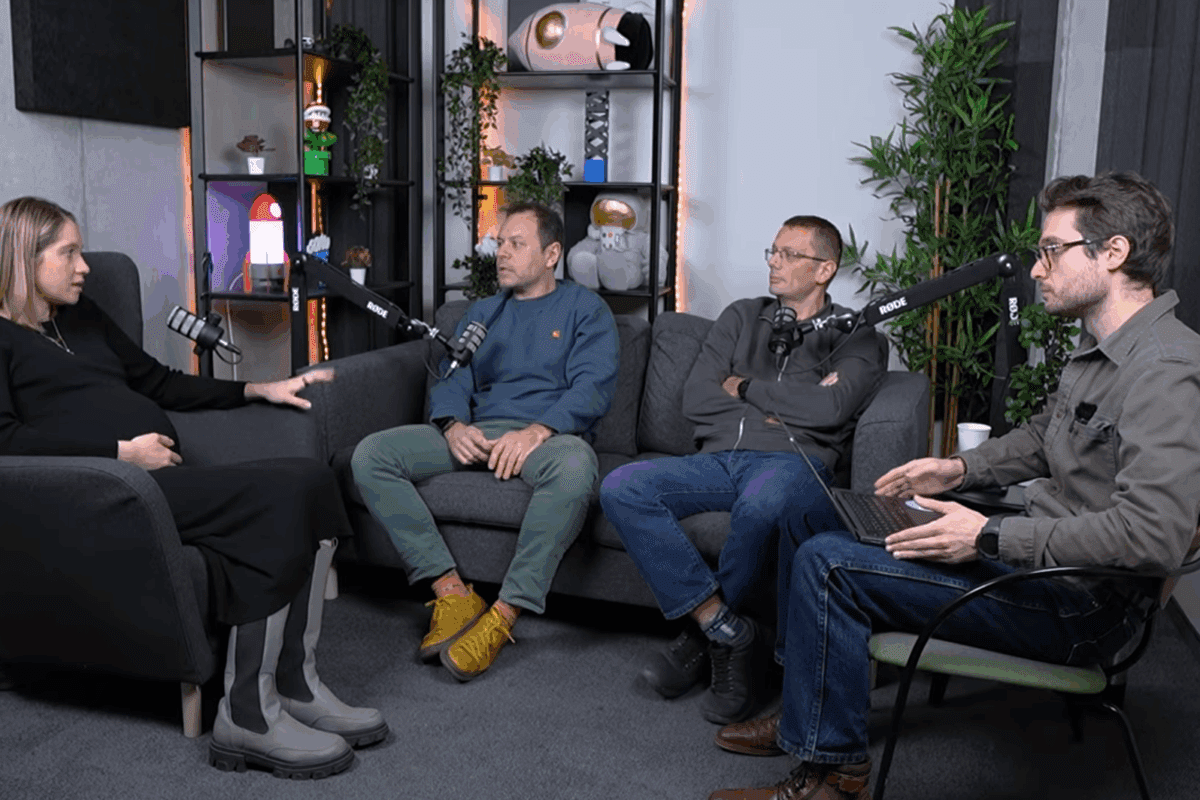
The latest episode of the Netokracija podcast, “AI bubble će puknuti! Što ćemo onda?” (The AI Bubble Will Burst! What Then?), dove deep into the current state of the Artificial Intelligence industry, exploring whether the widespread hype is sustainable and what the future holds for technology leaders and startups alike.
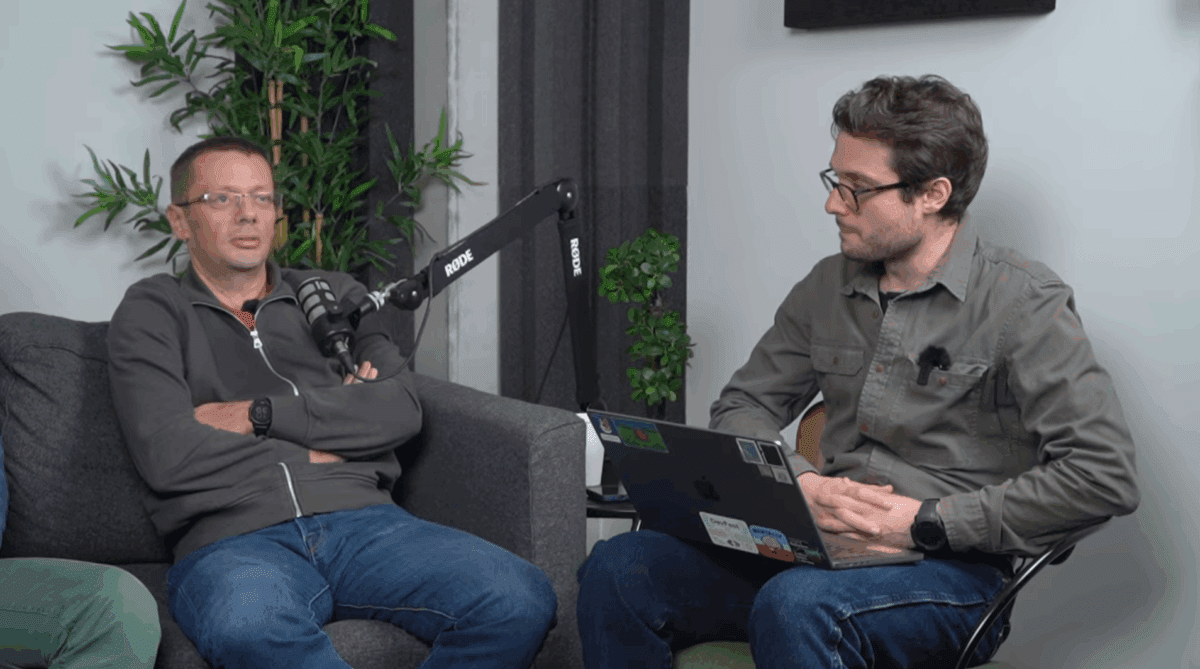
Hosted Marin Pavelić from Netokracija, the episode featured insightful discussions with domestic industry experts Dina Hrastović (Head of Native at Telegram, Money Motion, CroAI); Senko Rašić (Co-founder of Dobar Kod) and our founder – Kresimir Koncic. The panel aimed to uncover what is happening beneath the surface of the current AI hype and how the industry is preparing for the next phase of development
What the Episode Covered: The Slow Deflation of Hype
The discussion centered on several critical theses regarding the potential collapse of the AI market. The consensus among the panelists was clear: the AI bubble exists, but a sudden, catastrophic “pop” is unlikely to happen next year. Instead of a dot-com crash-style implosion, the industry is expected to enter a phase of gradual cooling, referred to as an “AI Winter”. This period will be characterized by a “hard grind” – a demanding phase of implementing AI into existing systems, requiring rigorous work rather than just big announcements.


Key discussion points that defined this outlook included:
• Technological Plateaus: The panel noted that the field is currently experiencing slowing technological development. Further scaling of large language models (LLMs) yields diminishing returns, and there is a lack of clear algorithmic breakthroughs or a definitive path toward achieving Artificial General Intelligence (AGI) or Artificial Super Intelligence (ASI),.
• Unsustainable Valuations: A major topic was the questionable financial health of leading AI labs. For example, OpenAI has roughly 800 million weekly users, but only 5% are paying subscribers. This structure puts pressure on its massive current valuation and raises concerns about long-term profitability,. The interwoven investments among chipmakers, Big Tech, and top AI startups mean they function as a system that is “too big to fail,” especially in the US market,.
• Marketing Over Substance: The consensus was that the largest hype around AI investments is based more on PR and marketing spin than on the actual value of the technology. The panelists detailed how the term “Artificial Intelligence” was chosen back in the 1950s specifically to secure military and government funding, rather than using the more accurate term “Automata Studies,” a precedent that continues today through corporate marketing narratives,.
• Mandatory Implementation: Many companies implement AI features simply because they feel compelled to do so by external pressure (investors, competitors, internal management) rather than true operational necessity. This “top-down” approach often results in superficial implementation, while genuine use often comes from individual, “bottom-up” adoption by employees tinkering with tools like ChatGPT on their own,.
• The European Way: Europe’s AI growth is recognized as slower, but potentially more stable, primarily due to the heavy regulatory environment established by frameworks like GDPR, A11Y Accessibility or the AI Act. The debate was whether this focus on ethical and legal guardrails represents a model for the future of software development globally.
• Labor Market Dynamics: The panel debated the impact on jobs, suggesting that a market cooling could lead to a flood of experienced professionals becoming freelancers (similar to post-COVID trends), which could drive down pricing for larger agencies,. However, others argued that the market might stabilize as firms realize AI cannot fully replace roles like junior developers, thus requiring continued hiring.
• Startup Survival and Local Opportunities: For startups, the clear message was to avoid “bullshitting users” and instead focus on solving specific, niche problems with engineering honesty. It was noted that Croatia’s biggest AI successes, such as PhotoMath, actually predated the current LLM hype, and the local community has a strong foundation for future growth
What the Discussion Did Not Fully Cover
While the conversation provided extensive analysis of macro-trends and internal industry dynamics, some areas remained open or were noted as lacking publicly available data:
• Undisclosed Costs: The panel noted the major hurdle of analyzing the financial sustainability of the biggest players is the lack of transparency regarding operational expenses. Firms like OpenAI and Anthropic are not public, and therefore their immense costs are not publicly disclosed, making definitive financial analysis difficult,.
• The Precise Impact of Regulation: Although the rigorous nature of European regulation (like the AI Act) was covered as a factor differentiating the EU from the US, the panel acknowledged that entrepreneurs often do not know how new regulations will be interpreted or what new laws may arise in the future, creating uncertainty.
• Specific International Comparisons (Inflation): In discussing the immense amount of money invested in the AI sector (estimated at 17 times more than the dot-com bubble investment), the panel pointed out that they did not know the specifics of how those figures were corrected for inflation.
You can watch the full episode in Croatian here
Ultimately, the episode concluded on a note of cautious optimism, suggesting that the coming “AI Winter” will sort the serious players from the hype-driven ventures, leaving a foundation for innovative, smaller companies to succeed by focusing on real-world problems and building sustainable businesses.

Ex QBASIC developer that ventured into a web world in 2007. Leading a team of like-minded Open Source aficionados that love design, code and a pinch of BBQ. Currently writing a book that explains why ‘coding is the easier part’ of our field.