



LPC online is the 1st e-learning webshop in Croatia which offers an innovative and rich learning experience. It's universal and yet personal. Upon login, the user enters a custom-made universe of knowledge and is free to explore a wide range of learning opportunities.
Industry secrets. Sans the fluff
News
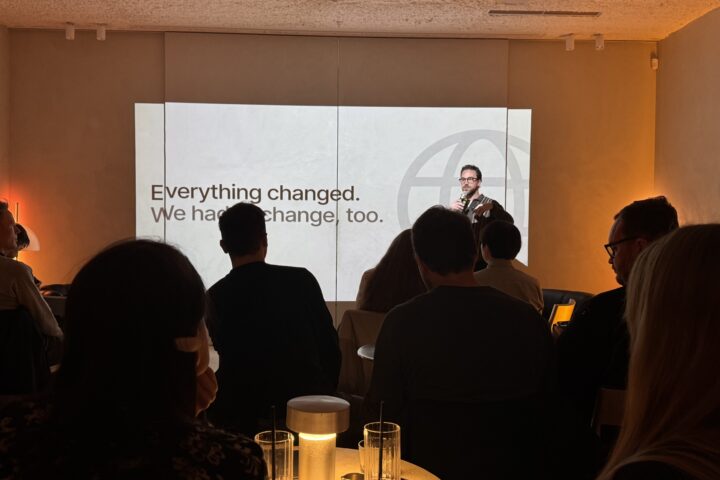
WooCommerce Zagreb meetup. A nightly recap for a puzzling agentic eCommerce world
Neuralab hosted the winter 2026 edition of the Zagreb Woo Meetup at Holographik.Space, where around four dozen attendees came to hear directly from the Woo and Automattic teams and compare notes on how WooCommerce is evolving. This time it went beyond a simple local dev meetup!
You are reading: lms

Not so long ago Learning Management Systems (LMS) used to be utilized only by large companies. The reason was their complexity and cost of creating such a system. On average it took a couple of months and several people with technical skills to implement such a system. And even after, it usually required at least one person to keep the system up and running. So basically, owning an LMS wasn’t affordable for medium and small sized companies. Than in 2003. WordPress emerged. At first it was a go-to tool for bloggers. Those bloggers also wanted to create and sell e-courses to their readers. Soon they realized that WordPress has great potential to be a base for core functionalities of LMS.

HalPet eLPC is a learning management system (LMS) which helps organizations improve their business skills by providing more than 1000 educational programs online. Their distinctive approach , expertise and high-quality education resulted in successful cooperation with more than 400 businesses and more than 30,000 users.